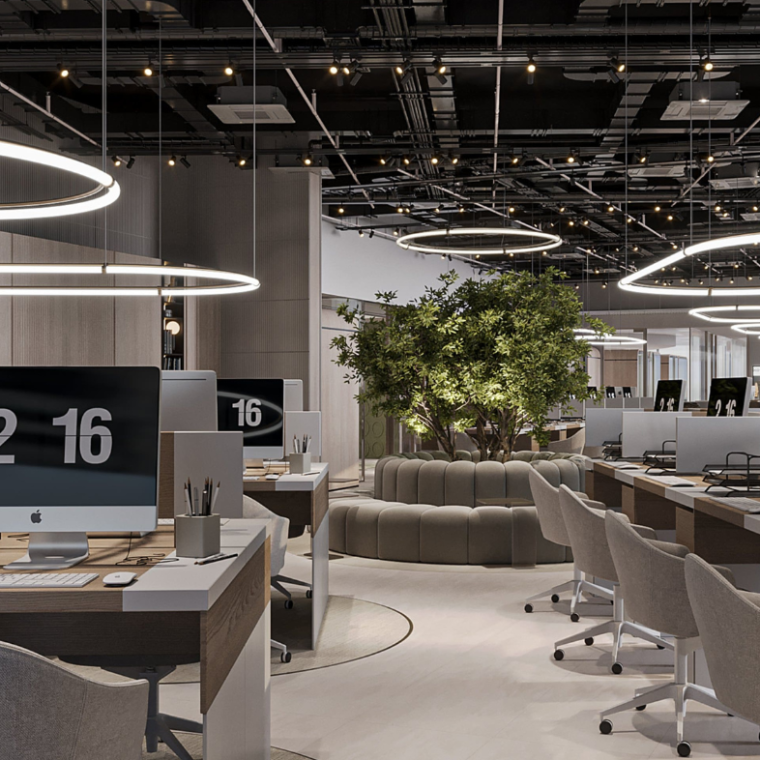
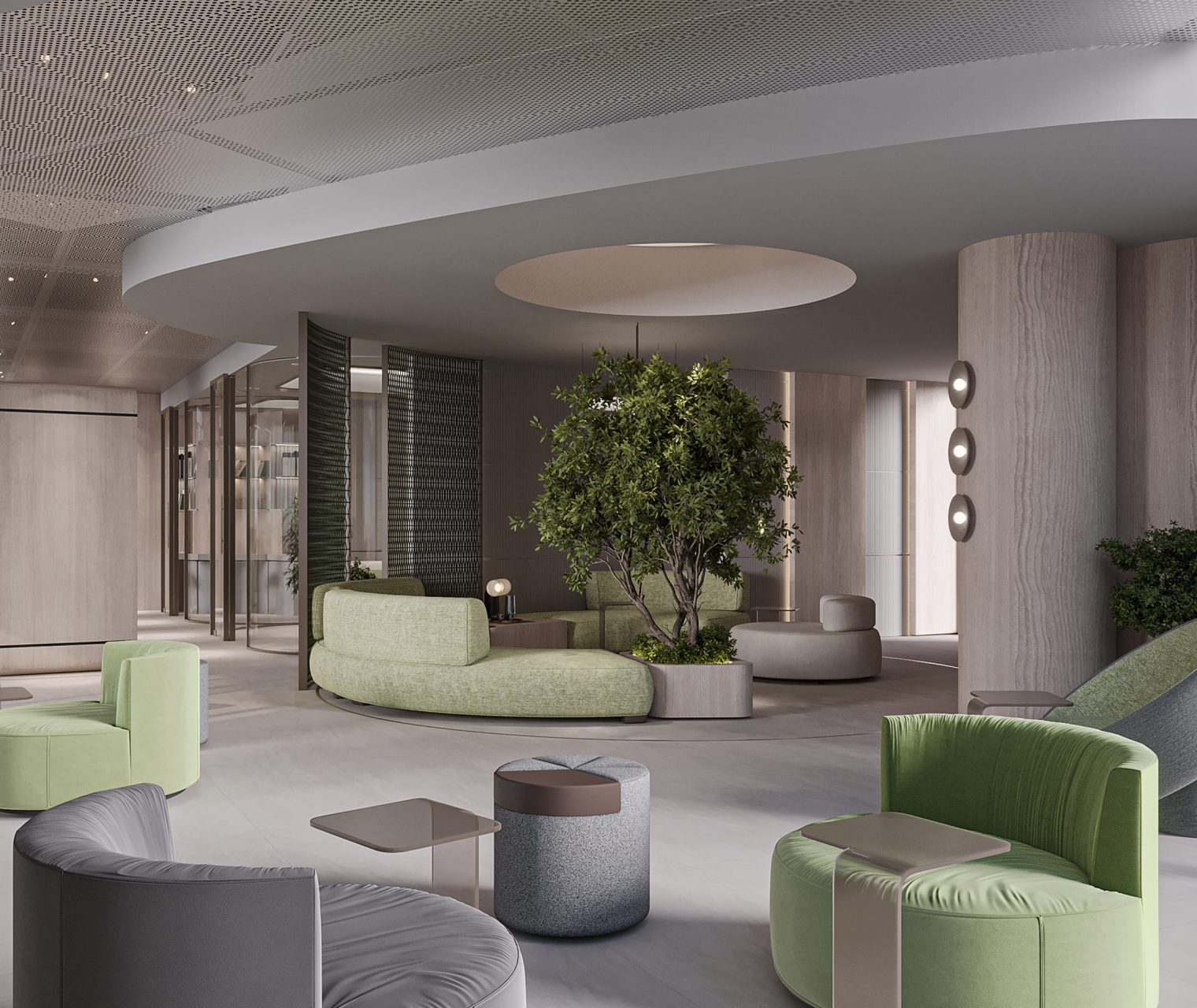
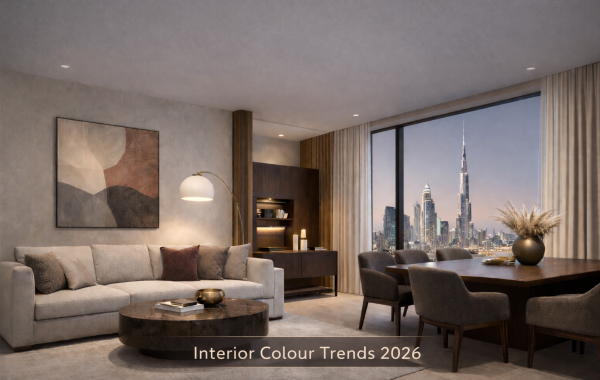
As organisations prepare for the future of work, productivity in 2026 is being redefined. It is no longer about how busy an office looks, but how effectively it supports focus, clarity and employee well-being. This shift has placed workspace design at the centre of business strategy.
Across global markets — especially within workspace design in Dubai — offices are evolving into carefully planned environments that support concentration, collaboration and adaptability within a single cohesive layout. At Known, workspaces are designed with one principle in mind: people perform better when their environment supports them.
Productivity Redefined for 2026
Open-plan offices once symbolised efficiency, but over time they introduced distraction, noise and fatigue. By 2026, productivity is understood as the ability to manage focus and energy throughout the day.
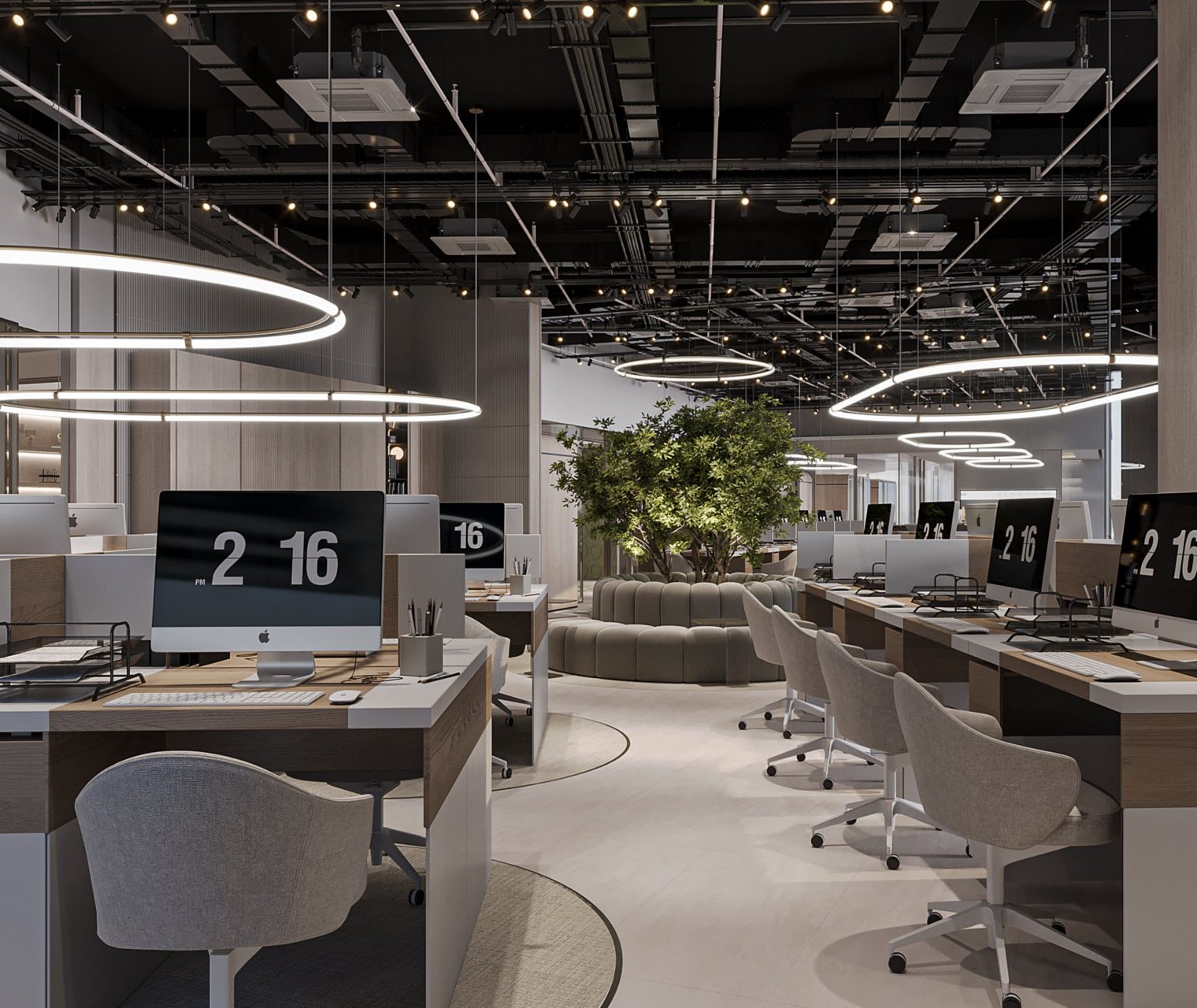
Modern offices are now designed for intentional engagement, offering a balance between quiet focus zones and collaborative spaces. This approach allows employees to move naturally between different work modes without disruption.
Focus Without Isolation
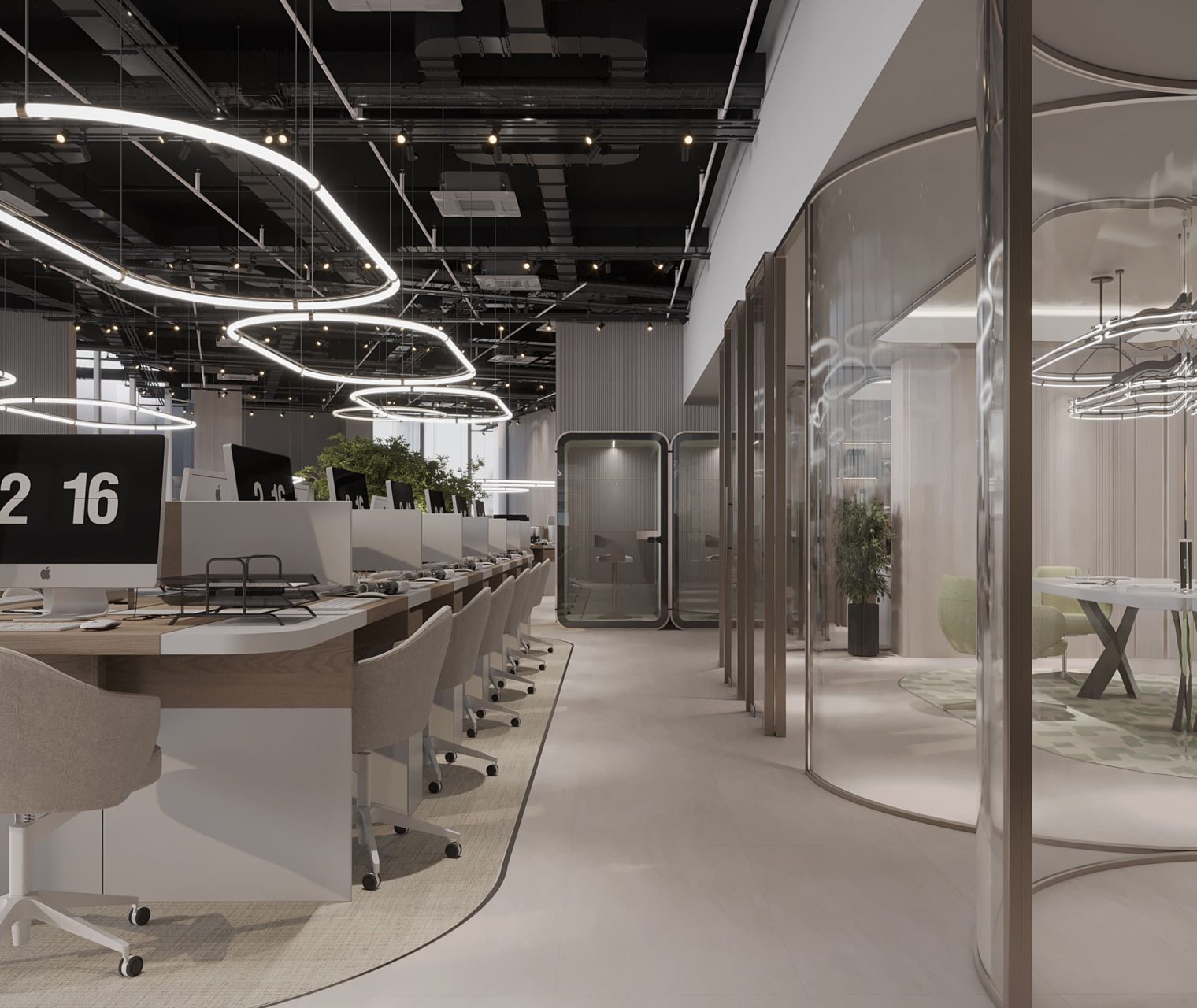
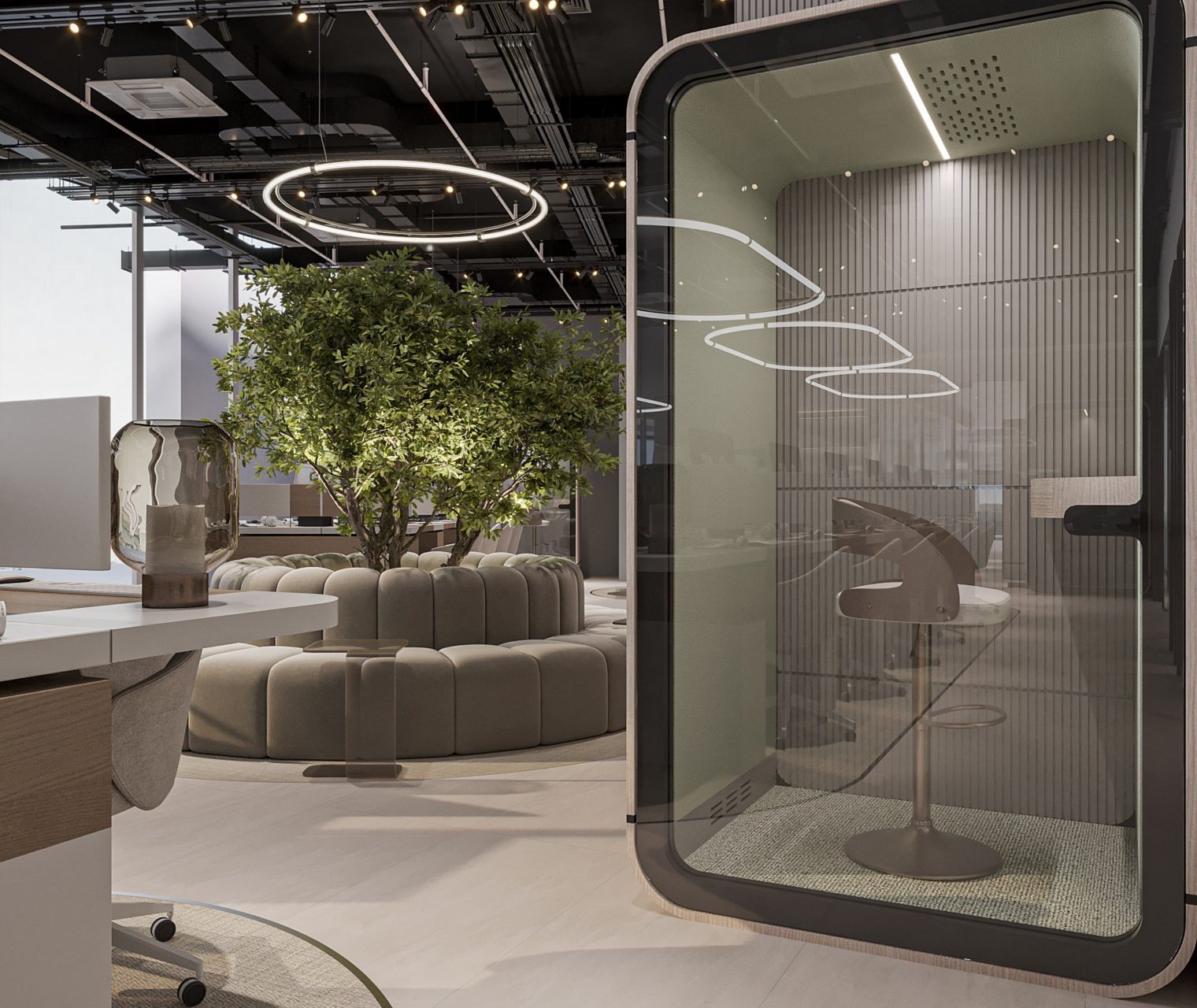
While focus is critical, isolation is no longer desirable. Workspaces in 2026 use soft spatial zoning rather than rigid divisions. Quiet areas are acoustically controlled yet connected, while collaboration zones are positioned to encourage interaction without disturbing focused work.
This balance supports privacy, accessibility and team connection — a key principle in modern workspace design.
Employee-Centered Workspaces
The most productive offices are designed around people. Comfort, autonomy and psychological safety are now essential elements of workspace planning.
Ergonomic furniture, flexible layouts and access to daylight improve engagement and long-term performance. As an experiencedinterior design studio in Dubai, Known understands that employee-centered design delivers measurable business value.
Flexible, Future-Ready Offices
Fixed layouts are no longer practical. Workspace design in 2026 prioritises flexibility, allowing offices to adapt to changing team sizes, hybrid working models and evolving technologies.
Meeting rooms, work zones and collaborative areas are designed to shift function without disruption, ensuring long-term relevance and investment value.
Material, Colour and Lighting Balance
Soft neutrals, muted tones and natural textures dominate productive workspaces. Matte finishes reduce glare, tactile materials add warmth, and layered lighting supports focus throughout the day.
In Dubai’s intense daylight conditions, lighting design is carefully controlled to maintain comfort from morning to evening — a key consideration in office interior design.
Interior Design Ideas for a Modern Workspace
Designing offices in Dubai requires sensitivity to climate, culture and global business expectations. Workspaces must feel internationally relevant while responding to local conditions and diverse teams.
Known approaches every project with this contextual understanding, creating offices that are calm, adaptable and performance-driven.
Conclusion
Productive workspaces in 2026 are defined by balance. Calm replaces chaos, focus replaces constant interruption, and employee-centered thinking shapes every design decision.
Through thoughtful workspace design, offices become environments that support clarity, collaboration and long-term performance. At Known, productivity isn’t enforced — it’s designed into the space itself.