

Healing Through Design Dubai: Where Hospital Interiors Become Part of Recovery
In moments of vulnerability, people seek more than medical expertise — they seek reassurance. The environments in which care is delivered quietly influence emotions, build trust and support recovery. Today, hospital interior design in Dubai has evolved far beyond sterile corridors and purely functional layouts. It has become an essential part of the healing journey itself.
Modern healthcare spaces are expected to feel composed, intuitive and human. Thoughtfully designed interiors now influence patient comfort, caregiver performance and institutional credibility. In this context, design is no longer decorative — it is therapeutic, strategic and deeply intentional.
The Silent Language of Healthcare Spaces
Every interior communicates, even without words. In healthcare environments, spatial clarity, lighting, acoustics and material choices subtly guide emotional responses. A well-designed hospital can reduce anxiety long before a patient meets a clinician.
Effective hospital interior design relies on balanced proportions, clear circulation and softened transitions. When spaces are easy to navigate and free from visual noise, patients feel oriented, calm and safe — a critical foundation for healing.
Calm as a Clinical Requirement

Calm is not a stylistic preference in healthcare design; it is a clinical necessity. High-stress environments can hinder recovery, while serene surroundings support cooperation and emotional regulation.
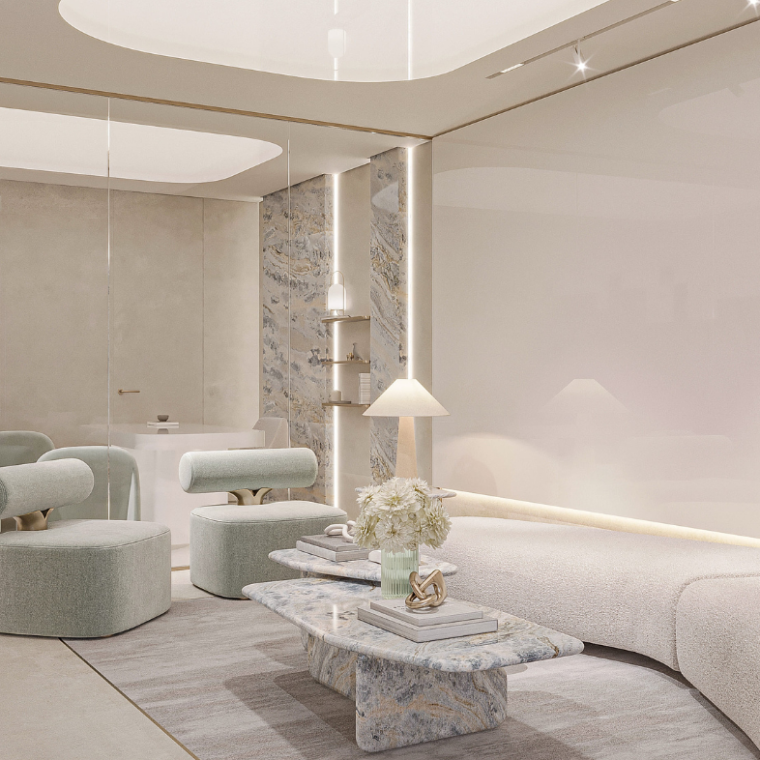
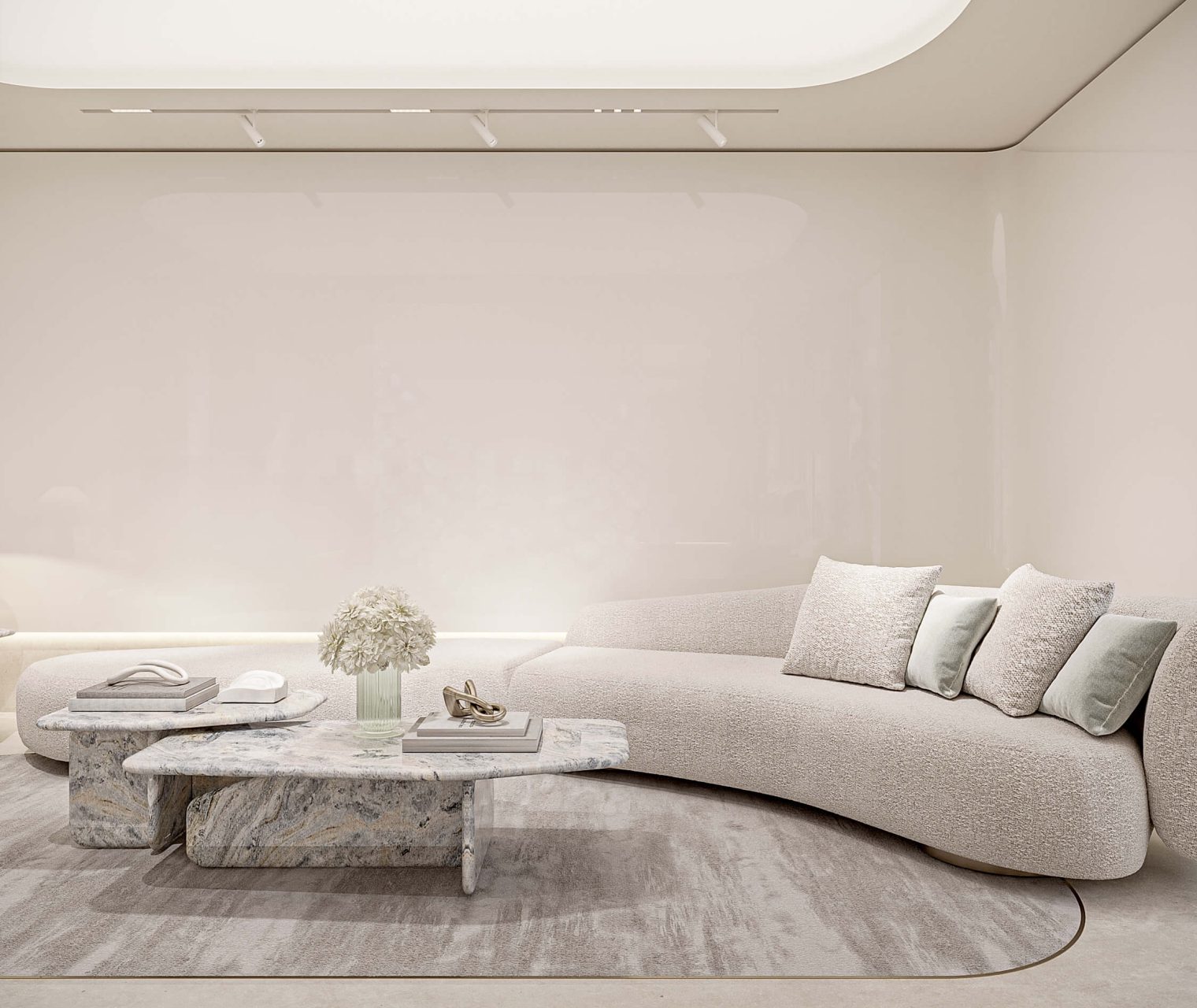
Neutral palettes, warm textures and diffused lighting create interiors that soothe rather than overwhelm. The most effective hospital interiors avoid harsh contrasts and sensory overload, favouring restraint and balance. When calm is intentionally designed, it becomes an invisible contributor to better outcomes.
Patient-Centric Planning with Dignity and Privacy
Healthcare spaces must respect emotional vulnerability. Patients value clarity, dignity and personal space, particularly during moments of uncertainty.
Thoughtful planning ensures intuitive wayfinding and composed waiting areas. Privacy is embedded into the layout of consultation rooms, diagnostics and recovery spaces, balancing openness with discretion. A patient-focused hospital interior design approach ensures that every interaction feels respectful and reassuring.
Supporting Those Who Provide Care
Healthcare professionals operate in high-pressure environments where focus and resilience are essential. Interior design plays a vital role in supporting those who care for others.
Clear zoning separates demanding clinical areas from restorative staff spaces. Access to daylight, acoustic comfort and ergonomic layouts reduce fatigue and improve performance. When hospital interiors support caregivers, the quality of care improves naturally.
Studios with strong commercial interior expertise understand that healthcare environments must function efficiently behind the scenes while remaining calm and composed in patient-facing areas.
Where Performance Meets Emotional Comfort
Hospitals must meet strict standards for hygiene, durability and safety — but technical performance does not need to feel cold. Contemporary hospital interior design integrates operational requirements seamlessly into a refined spatial experience.
Durable finishes, antimicrobial materials and medical systems are carefully embedded so they do not dominate the visual environment. This balance allows performance and emotional comfort to coexist without compromise.
Hospital Interiors as a Brand Experience

Hospitals operate within a trust-driven ecosystem. Patients and families form impressions long before treatment outcomes are known, and interior environments play a decisive role in shaping confidence.
A consistent design language across lobbies, outpatient areas and wards reinforces professionalism and clarity. Interiors become a brand experience — one that communicates care, reliability and competence.
At Known, healthcare interiors are approached with the same discipline applied to large-scale commercial and institutional projects. As an interior design Firm in Dubai, Known understands the cultural sensitivity, operational complexity and emotional intelligence required to design healthcare environments across Dubai and Abu Dhabi.
The Future of Healing-Focused Hospital Design
Healthcare interiors continue to evolve alongside patient expectations. Biophilic elements, natural textures and controlled lighting are increasingly used to support psychological well-being.
Technology, when integrated discreetly, enhances comfort through adaptive lighting, improved acoustics and efficient spatial flow. The future of hospital interior design in Dubai lies in environments that feel timeless, calm and intelligently planned rather than visually overwhelming.
Design as a Silent Partner in Healing
Healing begins with trust, clarity and emotional reassurance. In today’s healthcare landscape, hospital interior design is no longer optional — it is fundamental to patient experience and institutional identity.
Spaces designed with empathy and precision support recovery, enhance staff performance and strengthen credibility. When guided by human understanding rather than excess, design becomes a silent partner in healing — deeply felt, even when unnoticed.
At Known, hospital interiors are more than functional spaces; they are environments where care, clarity and comfort come together with purpose.